
 5/3/1 LogGet the app
Run 5/3/1 without the math.
The 5/3/1 log that does the arithmetic for you.
Built by a lifter who got tired of doing arithmetic mid-workout. Enter your training maxes once and every set, warmup and cycle is calculated for you.


★★★★★ 4.8 on the App Store · 500K+ lifters
See it in action
Calculated sets and plates, a built-in rest timer, every 5/3/1 assistance variation, custom programs, and long-term tracking that shows your one rep maxes climbing.
Everything 5/3/1 needs, done for you
No percentage charts and no arithmetic by hand mid-workout. Wendler Log handles it so you can focus on the bar.
Auto-calculated sets
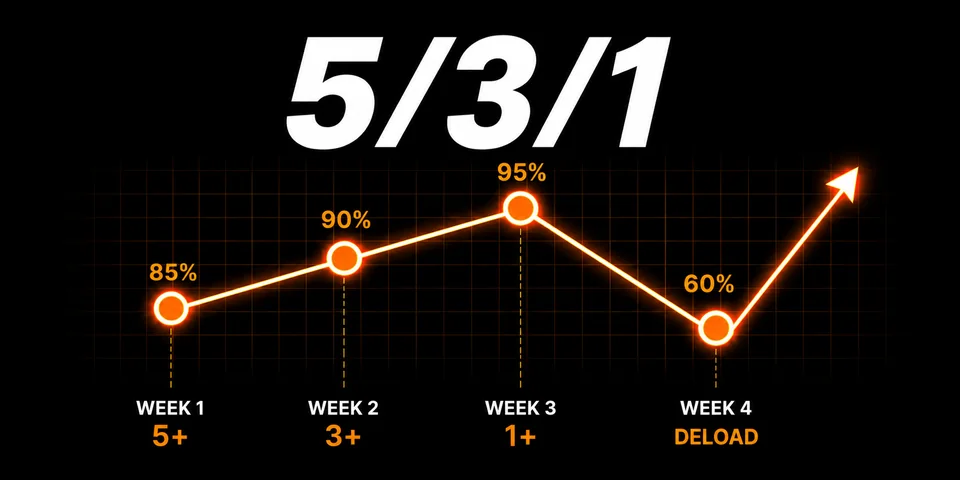
Every working weight and percentage for the 5/5/5, 3/3/3, 5/3/1 and deload weeks, straight from your training max.
Warmups included
Proper warmup sets calculated before every main lift, so there is no guessing where to start.
AMRAP and estimated 1RM
Log the reps on your AMRAP set and see an updated estimated one rep max and PRs over time.
Plate calculator
See the exact weight for every set and which plates to load on the bar, in pounds or kilos.
Automatic progression
The app raises your training max and builds the next cycle for you, cycle after cycle.
What is the Wendler 5/3/1 program?
5/3/1 is a long-term progressive strength program built around the four main barbell lifts: squat, bench press, deadlift and overhead press. It uses a simple four week cycle with small, steady increases, so you keep getting stronger without stalling.
Every percentage is based on your training max, which is 90% of your true one rep max, so you start lighter and leave room to grow. Week 1 is 5s, week 2 is 3s, week 3 is the 5/3/1 week ending in a heavy AMRAP set where you take as many reps as you can, and week 4 is a deload. If you do not know your current max, the one rep max calculator will estimate it from a set you have already done.
The percentages are straightforward but tedious to work out by hand every session, which is why so many lifters end up maintaining a 5/3/1 spreadsheet. Wendler Log does it all for you. Enter your maxes once and every set, weight and warmup for the next cycle is ready when you walk into the gym.
Where to go deeper
Setting up a first cycle is the part people get wrong most often. The guide to running 5/3/1 in Wendler Log walks through choosing a training max and a template. If you want something the app does not ship with, building your own assistance programs covers how to put one together.
Read the source: Jim Wendler's books
Wendler Log runs the program for you, but the method, the templates, and the training principles come straight from Jim Wendler. If you want the full reasoning behind every set, read these.
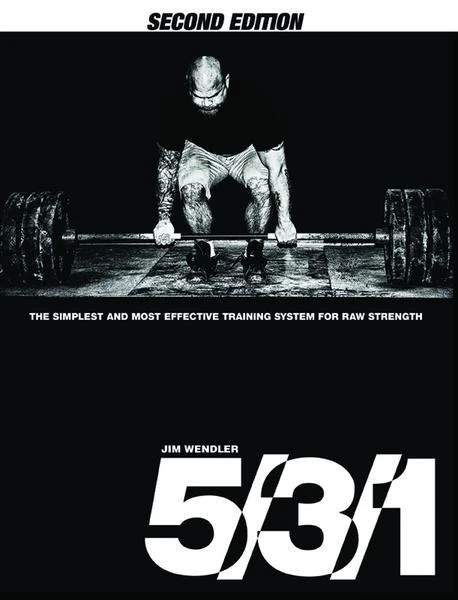
5/3/1, 2nd Edition
The foundational book covering what 5/3/1 is, how to run the main lifts, set your training max, and choose your templates.
Get the book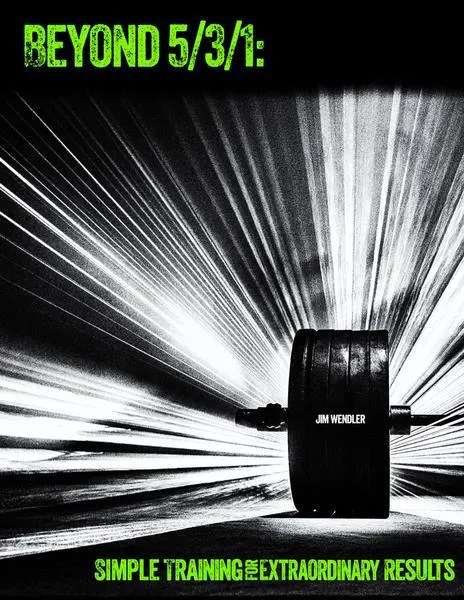
Beyond 5/3/1
The next step, with Joker sets, First Set Last, Boring But Big, and the advanced variations that push your training further.
Get the bookCommon questions
Do I need to know 5/3/1 already?
What is a training max?
How long is a 5/3/1 cycle?
Does the app calculate warmup sets?
Which assistance templates are included?
Can I change the rounding for kilos or pounds?
Is there a rest timer?
What happens when I stall?
Your next cycle is one tap away
Enter your maxes and your first workout is ready in under a minute.